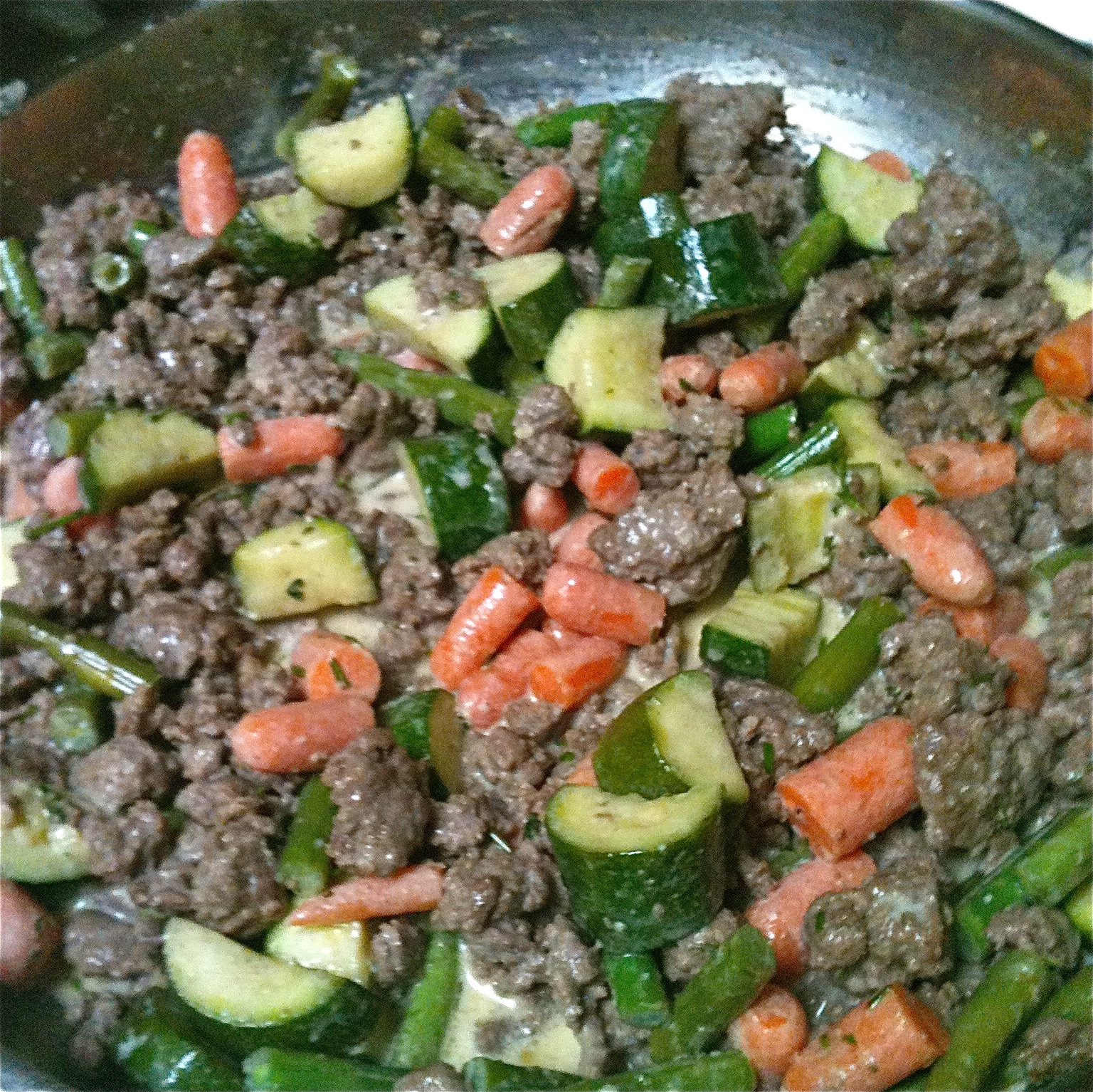
My husband and I are of the paleo and bulletproof thinking that white rice is ok, as long as you can tolerate it. For more info than you really want about rice you can check out
FitBomb. Fitbomb says,
If you stick with white
rice (which doesn’t contain the phytate and trypsin inhibitor content of the
less-milled brown rice) and you cook it properly (which neutralizes the
haemagglutinin-lectin), you don’t have much to worry about from an
anti-nutrient perspective... It is essentially a blank slate, nothing all that bad about it,
but nothing all that great, either.
Chris Kresser, whom my husband and I both highly respect, shares his idea of a
paleo template and the optimal diet for modern day humans.
If we are indeed asking what the optimal diet is for modern humans
(rather than simply speculating about what our Paleolithic ancestors
ate), there’s no way to answer that question definitively. Why? Because
just as there is tremendous variation amongst populations with diet,
there is also tremendous individual variation. Some people clearly do
better with no dairy products. Yet others seem to thrive on them. Some
feel better with a low-carb approach, while others feel better eating
more carbohydrate. Some seem to require a higher protein intake (up to
20-25% of calories), but others do well when they eat a smaller amount
(10-15%).
The only way to figure out what an optimal diet is for you is to experiment and observe.
The best way to do that is to remove the “grey area” foods you suspect
you might have trouble with, like dairy, nightshades, eggs, etc. for a
period of time (usually 30 days is sufficient), and add them back in one
at a time and observe your reactions. This “30-day challenge” or
elimination diet is what folks like Robb Wolf have recommended for a
long time.
As I try to figure out what my optimal diet is, I've begun to "experiment and observe" with a
fodmap free template. Cauliflower is a high fodmap food and so we've had to cut out the cauliflower rice recipes that have become so popular. Fine with me. I like rice and can tolerate it well.
With all that in mind here is a fodmap free, very yummy recipe for risotto. Of course, if you would rather stick with cauliflower, substitute the arborio rice for a head of cauliflower (about 1 1/2 lbs).
 |
| Photo: The Italian Chef |
Ingredients:
- 1 butternut squash (about 1 1/2 lbs), peeled and cut into chunks
- 4T ghee or bacon fat, divided
- 1 1/2 cups arborio rice
- 1 teaspoon asafoetida
- 1T fresh sage, chopped
- 1/2 teaspoon nutmeg
- 4 1/2 cups grass-fed bone broth or organic, grass-fed beef or pastured chicken stock
- about 3 slices bacon, cooked, chopped, optional
Directions:
- Preheat oven to 425˚F.
- Place the butternut squash on a foil-lined baking sheet and coat with 2T bacon fat and sprinkle with salt.
- Roast for 15-20 minutes, until tender.
- Blend squash with 1/2 cup broth in a blender. Set aside.
- Heat broth in a small saucepan and simmer over low heat.
- While squash is roasting melt 2T bacon fat in a large skillet.
- Add rice, asafoetida, sage, and nutmeg, stir about 2 minutes.
- Add 1/2 cup heated broth to rice. Stir together until liquid is absorbed, about 5 minutes.
- Repeat with remaining broth, 1/2 cup at a time, until all liquid is absorbed. Rice should be cooked through and creamy.
- Fold blended squash into rice.
- Season to taste with salt.
- Top with bacon.


 Ingredients